Chimney Rock, Ghost Ranch, New Mexico
Santa Fe, New Mexico, in the United States of America.
A trip that I had been looking forward to for many months; to Santa Fe Workshops, a photography centre with high calibre tutoring. The home of Georgia O'Keefe.
Part of me felt ambivalent about travelling to the US given recent worldwide events, but the other part of me really wanted to go; I was excited by the course aims and the work of its tutor Anna Rotty. The course was entitled 'Landscape as Collaborator'.
A bit of a pretentious title perhaps? Not, it became clear, for those who truly respect the land and also the people who have inhabited it for hundreds of years before white settlers arrived. I had a lot to learn.
So what is a collaboration? I was happiest with a definition that involved participants working together to achieve something greater that that which any individual participant could achieve if working alone. Without the effect that the landscape has on my psyche my photography would not exist.
I didn't want to get too heavy and philosophical about the title, being more interested to experiment with new techniques. Often my 'why' of making images comes much later. It becomes clearer with time whether a deeper meaning is emerging. I am happy to let weeks pass and see what transpires. I was there to have fun. And I did.

Typical adobe ( mud and brick) architecture of Santa Fe.
Our group arrived with a few images from home already printed out, but quickly started making new images in the bright, almost desert, high altitude landscape.
It was refreshing to trek out into the garden with minimal equipment and to start photographing just a few yards from the centre. I have long given up photo workshops where you travel many miles in a bus to a chosen location, all jump out of the bus, line up your tripods and take the 'classic shot'. Not for me. Especially not waterfalls in Iceland or red boats sailing in front of icebergs in Greenland! I prefer the closer details and the colours of the terrain. I don't like having my photographic subject matter chosen for me.
It was refreshing to trek out into the garden with minimal equipment and to start photographing just a few yards from the centre. I have long given up photo workshops where you travel many miles in a bus to a chosen location, all jump out of the bus, line up your tripods and take the 'classic shot'. Not for me. Especially not waterfalls in Iceland or red boats sailing in front of icebergs in Greenland! I prefer the closer details and the colours of the terrain. I don't like having my photographic subject matter chosen for me.

Photographing through a home made viewfinder.
We started off making viewfinders for looking at the landscape. This rapidly moved to taking pictures through the viewfinder. Fragments of sky, bush, tree, soil. Isolating objects. I have done something similar before with litter, but enjoyed the blue sky and the cotton wood trees.
We printed images in the digital lab and went outside again to try new juxtapositions. Finding shadows and creating shadows became a happy game.
We printed images in the digital lab and went outside again to try new juxtapositions. Finding shadows and creating shadows became a happy game.

a photograph used as a viewfinder.

self portrait with daisy
It was Anna Rotty's waterfall of light on water 'Paradise Waterfall' that drew me in to applying for this course.
I was excited at the idea of creating sculptures with photographs, and the idea that I don't have to frame my work in order to display it. This is good for both my pocket and the environment, and fits with my recent sculptural book making experiments,
I was excited at the idea of creating sculptures with photographs, and the idea that I don't have to frame my work in order to display it. This is good for both my pocket and the environment, and fits with my recent sculptural book making experiments,

Paradise Waterfall | Anna Rotty
We found a beautiful sun lit stream to work with.
A happy place......
The bright sunlight created wonderful ripples on the water.
A happy place......
The bright sunlight created wonderful ripples on the water.

Sunlight and fallen leaves

At work in the early morning
As the days progressed I became more interested in repeated rephotographing of images in different locations. Lush vegetation on dry soil. Water on parched soil. I started thinking about location, transportation and the presence or absence of water.
The rain drenched lupins below are rephotographed in Abiquiu, Santa Fe and Vancouver. A record of my recent trip and also a previous trip to Alaska where the lupins resided.
The rain drenched lupins below are rephotographed in Abiquiu, Santa Fe and Vancouver. A record of my recent trip and also a previous trip to Alaska where the lupins resided.

Abiquiu, New Mexico

Santa Fe, New Mexico

back to the lush rain forest of North vancouver
I worked with shadows and my own body. Placing myself into the landscape without showing my face. Immersing photos in the stream and watching them gain strength as they dried.

'I am where I am' - Santa Fe

river washed photograph
As a stranger in Santa Fe I didn't have an obvious way to connect with the landscape., except as a stranger. But by demonstrating my presence there I began to feel connected in the way that I usually do when walking and exploring natural spaces.
I don't really know yet what I am trying to say other than;
'I am in this place. I give you the the evidence. This is landscape.'
See; I can be really pretentious if I try.......
Also emerging are themes about changes with passing time, travel/transportation and different climates.
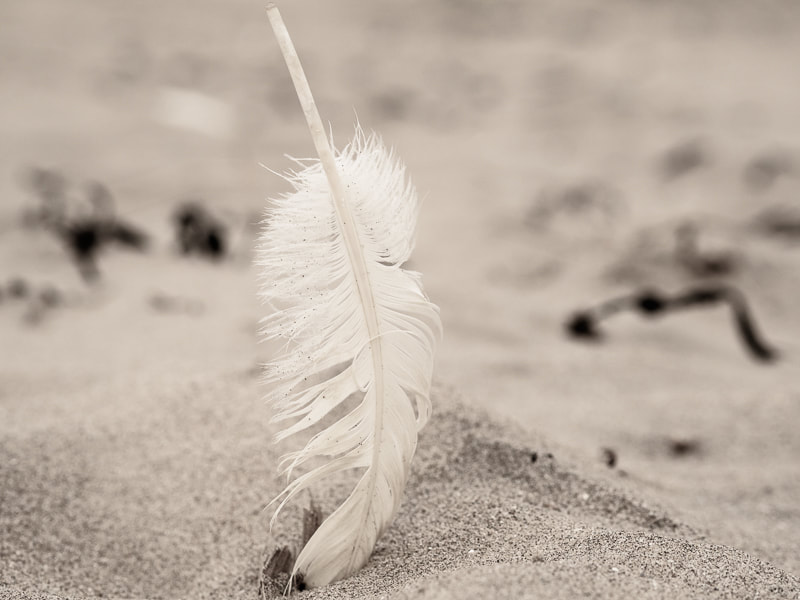
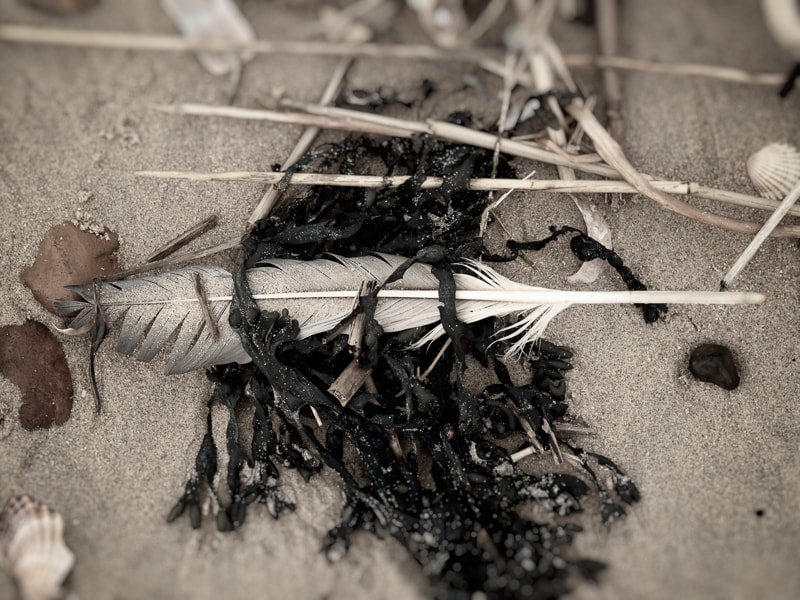
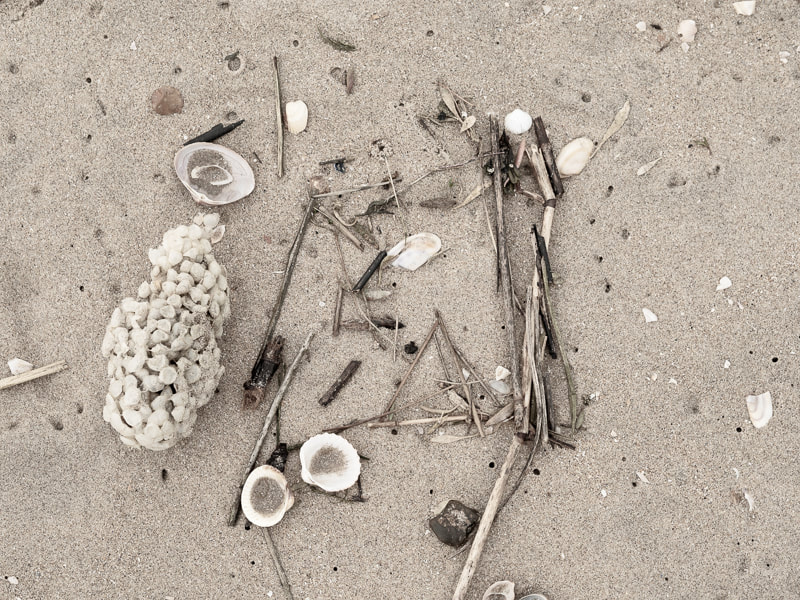
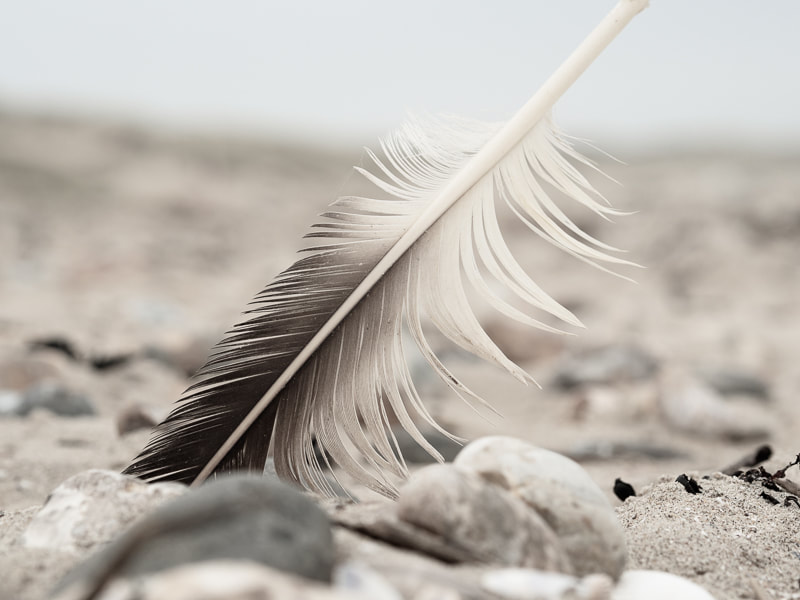
Now that I am back home on the beach at Camber Sands I will continue exploring possibilities and playing with ideas until I really know what I wish to say.
I have all summer to think about it.
Thank you Anna!
I don't really know yet what I am trying to say other than;
'I am in this place. I give you the the evidence. This is landscape.'
See; I can be really pretentious if I try.......
Also emerging are themes about changes with passing time, travel/transportation and different climates.
Now that I am back home on the beach at Camber Sands I will continue exploring possibilities and playing with ideas until I really know what I wish to say.
I have all summer to think about it.
Thank you Anna!

Santa Fe cloud at Camber Sands
 Immersion | Caroline Fraser